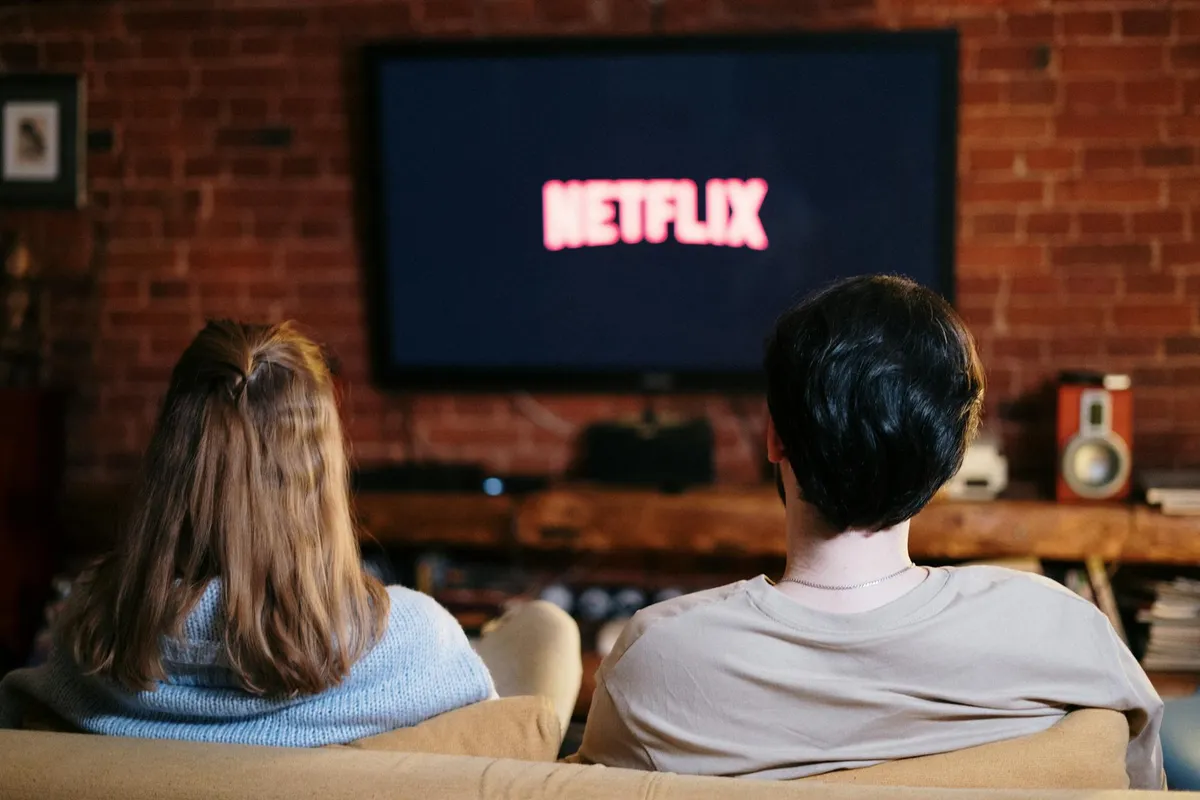
The decision-paralysis problem with streaming is universal. You sit down to watch something. You scroll. Twenty minutes pass. You give up and watch the same comfort show you've watched four times this month. Sound familiar?
Here's the framework that actually works for picking something good without burning thirty minutes deciding.
Step 1: Identify what mood you're in
Not what you "should" watch. What mood you're actually in.
Tired and want something easy? Skip new commitment. Pick a comfort show or a movie you've seen before. The cognitive load matches what you have available.
Restless and want something to grip you? Skip the comfort options. Pick something challenging — a thriller, an unfamiliar foreign film, a demanding drama.
Sad? Tricky. Either lean in (something quietly sad that earns its emotion) or distract entirely (competent comedy or genre work). Don't pick something in between.
Want something specific? Pick by length. 90-minute movie if attention is short. 3-hour epic if you're committed to the evening.
Step 2: Decide if you're watching alone or with others
The right choice for solo watching is often different from the right choice for partner/group watching.
Solo: any genre works. You can pick demanding material, niche interests, things others wouldn't enjoy.
With one other person: match what both of you can engage with. Skip things that work for only one of you.
With multiple people: default to broader-appeal options. Save niche picks for solo watching.
Step 3: Limit the search
Open ONE streaming service. Not all of them. Browse only that one for ten minutes max. Pick something.
The constraint forces a decision. Searching across all services produces paralysis; searching within one service produces choice.
Step 4: Trust someone's recommendation
Find a critic, friend, or list whose taste you trust. Use their recommendations. Don't research three different opinions; pick one source and trust it.
This is uncomfortable for people who want to feel in control of the choice. It's also what produces actual decisions instead of indefinite browsing.
Step 5: Commit
Once you've picked, commit. Watch the first 20 minutes seriously. If it's not working after 20 minutes, you have permission to abandon it (some movies don't work for some people). But give it a real chance first.
Don't scroll for "something better" while watching. Either commit or stop and pick something else.
The recommendations by mood
Some specific picks for specific moods:
Tired and want easy comfort:
- The Grand Budapest Hotel (Wes Anderson, easy to engage with)
- Knives Out (genre fun, easy to follow)
- Chef (warm and food-focused)
Restless and want grip:
- Prisoners (intense thriller)
- Drive (atmospheric and tense)
- Nightcrawler (gripping and uncomfortable)
Sad and want to lean in:
- Aftersun (quiet sadness done well)
- Past Lives (quiet sadness about choices)
- Manchester by the Sea (substantial weight, earned)
Sad and want distraction:
- Game Night (competent comedy)
- Booksmart (warm and funny)
- Mad Max: Fury Road (high-energy action)
Restless and want focused but not heavy:
- Searching (a thriller told entirely through screens)
- Sicario (atmospheric and intense without bleak)
- The Bear (TV but available as binge)
The reality about decision paralysis
The streaming decision paralysis is partly the platforms' fault (too much choice, weak recommendation algorithms) and partly our fault (resisting commitment to imperfect choices).
The platforms aren't going to fix the problem; they make money when you're engaged with their interfaces, not when you're actually watching content. The fix has to come from us — through decision frameworks, trusted sources, and willingness to commit to imperfect choices.
The general principle
The best evening is the evening you actually have, watching something you actually committed to. The mythical perfect movie that you find through extended browsing is mostly a fantasy. The good-enough movie you commit to and watch produces an actual evening; the perfect movie you keep searching for produces an evening of browsing.
Pick something. Commit. Watch it. Most evenings work out fine when you actually start.
The takeaway
Decision paralysis is solvable through frameworks and willingness to commit. The framework above produces decisions in 5-10 minutes instead of 30 minutes of browsing.
For tonight's evening, try the framework. Identify mood, decide who you're watching with, limit to one service, trust a recommendation, commit. The evening will work out better than another round of scrolling.