
Reviewing short films and student films presents a distinct challenge compared to analyzing feature-length productions. These shorter formats often serve as vital showcases for emerging talent, experimental concepts, or concise storytelling, demanding an evaluative approach that acknowledges their specific constraints and objectives. A well-structured review not only provides valuable feedback to filmmakers but also guides potential viewers, highlighting key artistic and technical merits while offering constructive critique. Understanding the unique context of these films is paramount for producing commentary that is both fair and insightful, moving beyond simple plot summaries to a deeper assessment of craft and intent.
Understanding the Unique Context of Short Films
Time Constraints and Narrative Economy
Short films, by definition, operate within strict time limits, typically ranging from a few minutes to under 40 minutes. This necessitates an extreme economy of storytelling. Reviewers must assess how effectively the film uses its limited runtime to establish characters, develop a plot, convey a theme, and achieve an emotional arc. A common pitfall is attempting to cram too much narrative into a short format, leading to underdeveloped plots or rushed character introductions. Conversely, some shorts excel by focusing on a single moment, idea, or character study, demonstrating mastery of conciseness. The evaluation should consider whether the film's length serves its story or detracts from it.
Production Realities and Resource Limitations
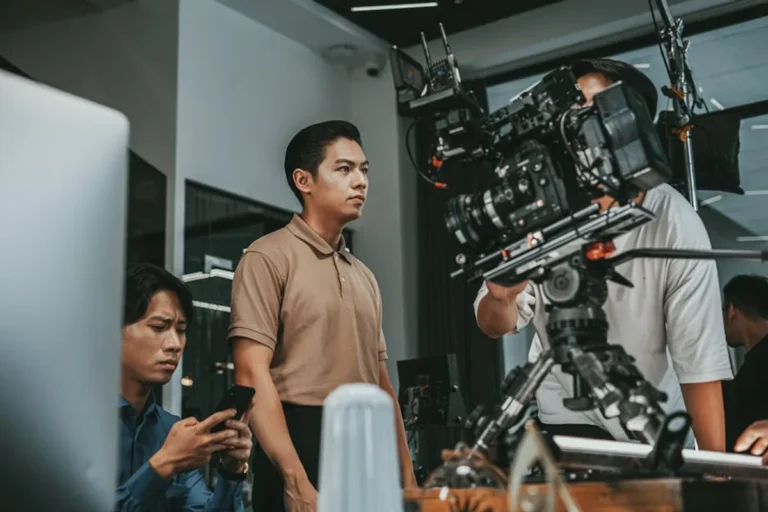
Student films and many independent short films are often produced with significantly fewer resources than commercial features. This impacts everything from equipment quality and location access to cast availability and post-production budgets. A critical review should acknowledge these practical realities. While technical proficiency is still important, the assessment should prioritize the filmmaker's ability to innovate within limitations and make creative choices that elevate the material despite constraints. For instance, a student film with a compelling story and strong performances, despite visible budget limitations, often demonstrates greater potential than a technically polished but narratively weak production.
Deconstructing the Review Process
Initial Viewing and First Impressions
Begin with an uninterrupted viewing, taking minimal notes. Focus on your immediate emotional and intellectual response. What stands out? What feelings does the film evoke? What questions arise? This initial, unfiltered reaction is crucial for capturing the film's raw impact before detailed analysis begins. Subsequent viewings can then focus on specific elements, but the first impression often reveals the film's core strengths or weaknesses in engaging an audience.
Analytical Frameworks for Evaluation
A comprehensive review systematically breaks down the film into its constituent parts. Each element contributes to the overall effect and should be assessed for its individual quality and its synergy with other components:
- Story and Screenplay: Evaluate the originality of the concept, the clarity of the plot, the development of characters (even if minimal), the effectiveness of dialogue, and the thematic depth. Does the story have a clear beginning, middle, and end, or does it intentionally subvert this structure?
- Direction and Cinematography: Analyze how the director's vision is executed visually. Consider shot composition, lighting, camera movement, and framing. Do these choices enhance the narrative, create mood, or reveal character?
- Editing: Assess the pacing and rhythm of the film. Are transitions smooth or intentionally jarring? Does the editing build tension, convey information efficiently, or contribute to the film's emotional impact?
- Sound Design and Music: Evaluate the use of sound effects, foley, dialogue clarity, and musical score. Does the audio enhance the visual narrative, create atmosphere, or manipulate audience emotions effectively?
- Performances: Judge the credibility and emotional depth of the actors. Do they embody their characters convincingly? Is there a natural chemistry among the cast, if applicable?
- Overall Impact and Originality: Synthesize these elements to determine the film's overarching success. Does it achieve its stated or implied goals? Is it memorable? Does it offer a fresh perspective or demonstrate a unique artistic voice?
Crafting an Effective Review
Structure and Tone
A well-structured review guides the reader through your analysis logically. Start with an engaging hook, perhaps a strong statement about the film's central theme or a striking visual. Provide a brief, spoiler-free summary of the premise to give context. The body of the review should then delve into your analytical points, balancing critique with appreciation. Use specific examples from the film to substantiate your claims, avoiding vague generalizations. Conclude with a synthesized recommendation or a final thought that encapsulates the film's lasting impression or significance.
Ethical Considerations for Student Films
Pro Tip: When reviewing student films, prioritize constructive feedback over harsh criticism. Focus on actionable insights that can aid a burgeoning filmmaker's growth, such as suggesting alternative narrative approaches or technical adjustments, rather than simply stating what "didn't work." Acknowledge the effort and learning curve inherent in early-career filmmaking.
Reviewing student films carries an added ethical dimension. These works are often part of an academic process, intended for learning and development. Therefore, reviews should lean towards being supportive and educational. Highlight areas of strength to encourage the filmmaker, and frame weaknesses as opportunities for improvement. Avoid overly harsh or dismissive language, which can be counterproductive to a student's creative journey. The goal is to foster talent, not to discourage it.
Practical Application and Audience Engagement
Platform Considerations for Publishing Reviews
The choice of platform for publishing reviews influences their reach and impact. A dedicated blog or website allows for longer-form analysis, better SEO potential, and the ability to build a community around film discussion. Social media platforms offer immediate reach and engagement, often favoring shorter, more direct commentary or video reviews. For film festival coverage, reviews need to be timely and often cater to an industry-specific audience, focusing on a film's potential for distribution or further festival success.
Refining Your Reviewing Practice
Effective film review, especially for short and student works, is an iterative process. Continuously refine your critical eye by watching a diverse range of films and reading reviews from various sources. Practice articulating your thoughts clearly and concisely, using precise language to convey nuances in filmmaking. The goal is to develop a distinct critical voice that is both authoritative and accessible, contributing meaningfully to the discourse around emerging cinema. Your insights can help shape perceptions, guide audiences, and provide invaluable encouragement to the next generation of filmmakers.
Frequently Asked Questions
What is the main difference between reviewing a short film and a feature film?
The primary difference lies in scale and expectation. Short films demand a focus on narrative economy and efficient storytelling within limited time, often showcasing a single concept or skill. Feature films, with their extended runtime, allow for more complex character arcs, subplots, and world-building, requiring a broader scope of analysis.
Should I always offer constructive criticism in a review?
Yes, especially for student films and emerging artists. Constructive criticism, framed as actionable feedback, helps filmmakers understand areas for improvement. Even for professional shorts, a balanced review that highlights both strengths and weaknesses provides a more complete and useful assessment than pure praise or condemnation.
How long should a typical short film review be?
There is no strict rule, but a typical short film review often ranges from 300 to 800 words. The length depends on the complexity of the film and the depth of analysis required. The key is to be thorough without being verbose, ensuring every paragraph adds value to the reader's understanding.
Is it ethical to review a film I didn't like?
Yes, it is ethical to review a film you didn't like, provided your review remains professional, objective, and focuses on the film's merits and demerits rather than personal attacks. Explain *why* the film didn't work for you, referencing specific elements of its craft, rather than simply expressing dislike. This maintains critical integrity and provides useful feedback.