
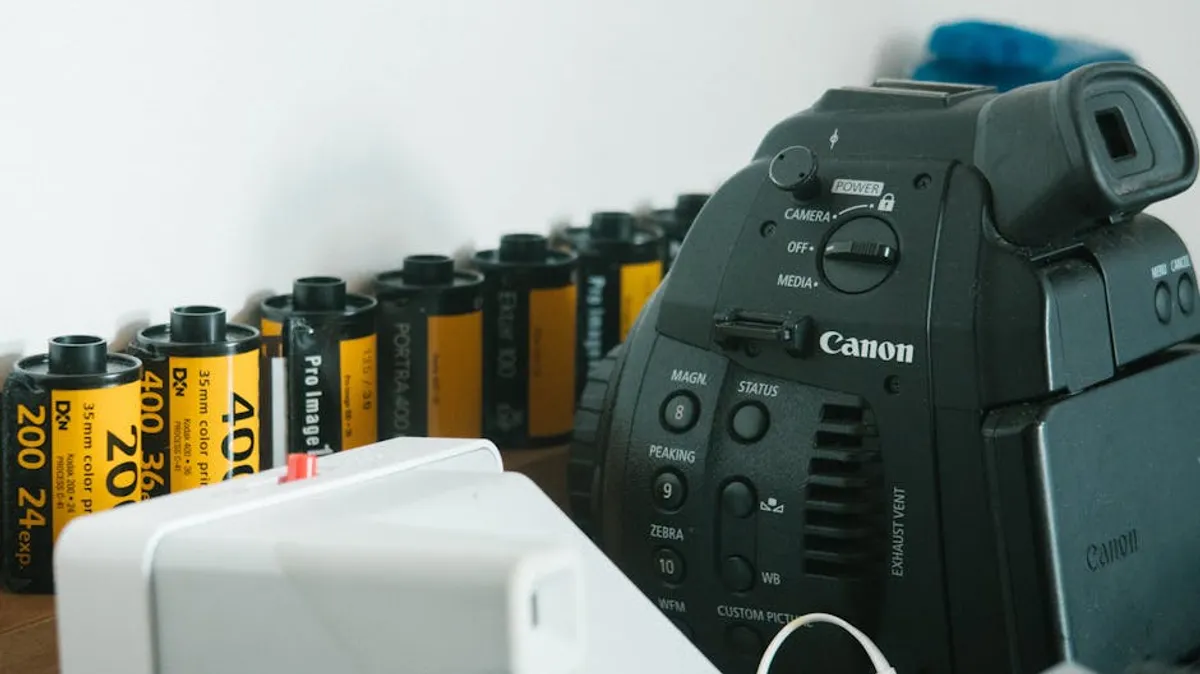
Understanding the visual language of film photography and cinema aesthetics provides marketers and content creators with a distinct advantage in a crowded digital landscape. These established visual disciplines offer a rich vocabulary for crafting compelling narratives, evoking specific emotional responses, and cultivating a unique brand identity. Unlike the often sterile precision of digital-first imagery, film and cinematic approaches tap into a collective appreciation for texture, mood, and deliberate visual storytelling. For SEO professionals and publishers, integrating these aesthetics is not merely about stylistic preference; it's a strategic move to differentiate content, increase engagement metrics, and build a more resonant connection with target audiences.
The Distinctive Qualities of Film Photography Aesthetics
Film photography distinguishes itself through several inherent characteristics that collectively create its unique look and feel, influencing everything from fine art to commercial advertising. These qualities are not simply technical artifacts but deliberate choices that convey specific moods and perceptions.
- Grain Structure: Unlike digital noise, film grain possesses an organic, irregular pattern that adds texture and a tactile quality to images. This grain can range from fine and subtle in slower ISO films to pronounced and gritty in faster stocks, imparting a sense of authenticity or raw realism. Marketers leverage this for campaigns aiming to convey heritage, handcrafted quality, or a less polished, more "real" aesthetic.
- Color Rendition and Palette: Different film emulsions react to light and color in distinct ways, producing unique color palettes. Some films are known for their warm, pastel tones and flattering skin rendition, while others offer vibrant saturation or a cooler, more subdued look. This inherent color bias shapes the emotional impact of an image, allowing brands to align their visual messaging with specific emotional registers—e.g., nostalgic warmth, modern vibrancy, or understated elegance. The way film handles highlights and shadows, often with a smoother rolloff, also contributes to a more natural, less clipped dynamic range compared to many digital sensors.
- Dynamic Range and Light Handling: Film generally exhibits a wider dynamic range than many digital sensors, particularly in its ability to retain detail in both extreme highlights and deep shadows. This characteristic contributes to images that feel more dimensional and less "flat." The way film reacts to light sources, often producing softer transitions and nuanced color shifts, provides a depth that digital can sometimes struggle to replicate without extensive post-processing. This translates commercially into product photography that feels richer and more luxurious, or lifestyle imagery that appears more immersive.
Core Elements of Cinema Aesthetics
Cinema aesthetics encompass a broader range of visual and narrative techniques, extending beyond still imagery to the dynamic art of moving pictures. These principles are fundamental to how stories are told and emotions are conveyed on screen, and their influence permeates modern video content.
Cinematography and Composition
The choices made in cinematography—how a scene is framed, lit, and moved through—are central to cinema aesthetics. Aspect ratios, for instance, dictate the shape of the frame, influencing how expansive or intimate a scene feels. Camera movements, from steady tracking shots to handheld immediacy, guide the viewer's attention and emotional connection. Depth of field, manipulating what is in focus and what is blurred, directs the eye and creates visual hierarchy, isolating subjects or emphasizing environmental context. For video marketers, understanding these choices means creating content that feels more professional, intentional, and emotionally resonant than standard, unconsidered footage.
Lighting Techniques
Lighting is paramount in cinema, shaping mood, time, and character. Techniques like three-point lighting (key, fill, and back light) are foundational for sculpting subjects and creating depth. High-key lighting, characterized by bright, even illumination, often conveys optimism or purity, while low-key lighting, with its stark contrasts and deep shadows, suggests drama, mystery, or tension. The strategic use of practical lights (lamps, candles within the scene) adds realism and a sense of lived-in authenticity. Brands can leverage these lighting principles to imbue their video advertisements or social media content with specific emotional undertones, from aspirational brightness to sophisticated allure.
Color Grading and Narrative Impact
Color grading in cinema is a powerful post-production technique that manipulates the overall color palette of a film to enhance its narrative and emotional impact. Beyond simple color correction, grading establishes mood, differentiates locations, or signals character arcs. The "teal and orange" look, for example, is a common cinematic trope that creates strong contrast and defines character separation. Desaturated palettes can evoke a sense of history, melancholy, or grittiness, while vibrant, saturated colors might signify fantasy or heightened reality. For marketers, deliberate color grading in video content can unify a brand's visual identity, evoke specific feelings about a product, and make content more memorable.
Pro Tip: Authenticity in applying film and cinema aesthetics goes beyond simply using a filter. True impact comes from understanding the underlying principles—grain, light, color, composition—and applying them intentionally to serve your brand's narrative and connect with your audience on a deeper, more emotional level. Avoid superficial imitation; aim for informed integration.
Integrating Visual Heritage for Brand Impact
The commercial utility of film photography and cinema aesthetics lies in their ability to elevate digital content beyond mere information delivery. By consciously adopting these visual principles, brands can achieve a more sophisticated and engaging presence.
Enhancing Digital Content with Analog Sensibility
Marketers can infuse digital photography and video with the nuanced qualities of film through various post-production techniques. This includes using LUTs (Look-Up Tables) and presets designed to emulate specific film stocks, adjusting digital noise to resemble organic grain, and employing sophisticated color grading tools to achieve cinematic palettes. The goal is not to deceive the viewer into thinking content is actually shot on film, but to harness the emotional and textural richness associated with these aesthetics. This approach can make product shots feel more artisanal, lifestyle content more evocative, and brand videos more compelling, contributing to higher dwell times and lower bounce rates.
Strategic Branding and Audience Connection
Brands that strategically incorporate film and cinema aesthetics communicate specific values. A luxury brand might use soft, diffused lighting and a muted, elegant color palette to convey sophistication and timelessness. An indie brand might opt for gritty film grain and dynamic, handheld camera work to project authenticity and rebellion. These visual choices are powerful non-verbal cues that resonate with target demographics, fostering a sense of shared values or aspirations. For publishers, this means creating visual content that not only supports editorial narratives but also reinforces the publication's overall tone and authority, building a stronger, more loyal readership.
SEO and Engagement Metrics
While aesthetics don't directly influence search engine rankings, their impact on user engagement is undeniable. Visually compelling content, informed by film and cinema principles, can significantly increase metrics like click-through rates on search results (due to more appealing thumbnails), time on page, and social shares. High-quality, evocative imagery and video keep users engaged longer, signaling to search engines that the content is valuable. This indirect SEO benefit, coupled with the direct brand-building advantages, makes understanding and applying these aesthetics a crucial component of a comprehensive content strategy.
Frequently Asked Questions
What is the primary difference between film and digital aesthetics?
The primary difference lies in their inherent characteristics: film offers organic grain, unique color rendition influenced by emulsion chemistry, and a distinct way of handling dynamic range. Digital, conversely, is characterized by pixel-based clarity, precise color reproduction, and often a sharper, more clinical rendering of light and shadow, though it can be processed to emulate film qualities.
How can I apply cinema aesthetics to my marketing videos?
To apply cinema aesthetics, focus on deliberate choices in cinematography (framing, camera movement, depth of field), strategic lighting (three-point, high-key/low-key), and thoughtful color grading. Consider how these elements can enhance your narrative, evoke specific emotions, and align with your brand's visual identity, rather than just using generic templates.
Why do audiences often prefer film-like visuals in modern content?
Audiences often prefer film-like visuals due to their association with authenticity, nostalgia, and a perceived higher artistic quality. The organic textures, nuanced colors, and deliberate compositions inherent in film and cinematic styles can create a deeper emotional connection, making content feel more human and less overtly commercial or artificial.