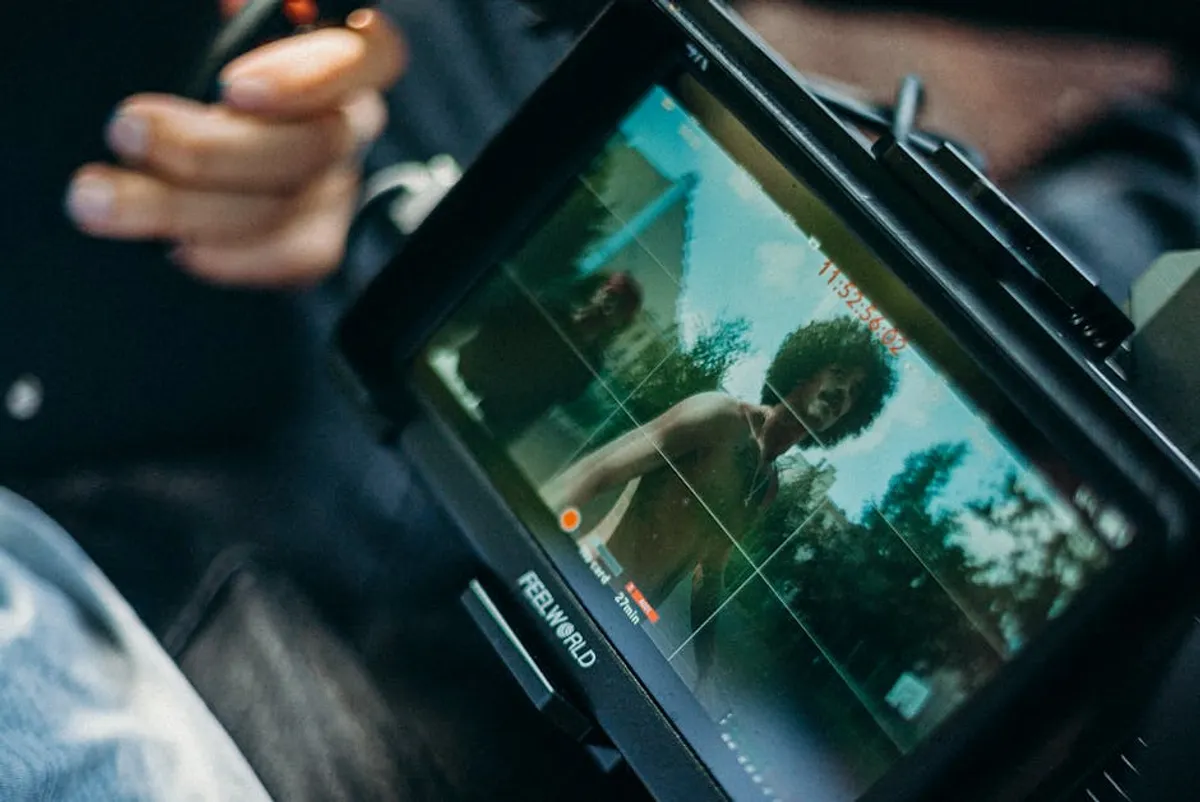
The landscape of independent cinema in 2026 continues its evolution, offering audiences alternatives to mainstream productions. These films often prioritize distinct artistic visions, nuanced storytelling, and exploration of themes that might not fit conventional studio models. For those seeking narratives that challenge perspectives, showcase emerging talent, or simply offer a different rhythm, the indie circuit remains a fertile ground for discovery. This selection highlights films anticipated to define the year, emphasizing those with unique directorial voices, compelling performances, and narratives poised to resonate beyond niche audiences.
Before diving into specific titles, understanding the criteria for identifying a standout indie film can enhance the viewing experience. These aren't always about grand budgets or star power; instead, their value often lies in authenticity, thematic depth, and innovative execution. Look for films that commit to a singular vision, whether through experimental cinematography, unconventional narrative structures, or unflinching character studies. The "best" indie films provoke thought, evoke genuine emotion, and leave a lasting impression, often by daring to be different.
1. The Echo Chamber
This psychological drama, directed by Elara Vance, explores the corrosive effects of online misinformation on a small, isolated community. Set in a near-future rural town grappling with economic decline, the narrative follows a young journalist attempting to uncover the source of increasingly divisive digital propaganda. Vance employs a stark visual style and a non-linear timeline to reflect the fractured reality experienced by the characters, with sound design playing a critical role in conveying the sense of encroaching paranoia. The film debuted at Sundance, earning praise for its timely relevance and unsettling atmosphere.
Best for: Viewers interested in social commentary, psychological thrillers, and films that explore contemporary digital anxieties.
Pros: Timely and incisive social critique; strong, immersive sound design; compelling lead performance; thought-provoking narrative structure.
Cons: Can be emotionally intense and unsettling; pacing may feel deliberate for some viewers; potentially bleak themes.
Verdict: "The Echo Chamber" stands as a potent and unnerving examination of modern societal divisions, using its indie framework to deliver a focused, impactful message without compromise.
2. Lunar Bloom
A contemplative science fiction drama from first-time feature director Kai Chen, "Lunar Bloom" centers on an astronaut stationed alone on a lunar research outpost, tasked with cultivating a rare bioluminescent plant. As the mission extends, she begins to experience vivid hallucinations, blurring the lines between reality and psychological breakdown. The film is largely a one-person show, relying heavily on the lead actress's nuanced performance and stunning, minimalist cinematography that captures the desolate beauty of the lunar surface. Its strength lies in its quiet introspection and exploration of solitude and mental resilience.
Best for: Fans of character-driven sci-fi, introspective dramas, and visually striking, atmospheric films.
Pros: Exceptional cinematography and visual effects for an indie production; powerful solo performance; deep thematic exploration of isolation and humanity; unique blend of sci-fi and psychological drama.
Cons: Very slow burn pacing; limited dialogue; relies heavily on viewer patience and engagement with internal conflict.
Verdict: "Lunar Bloom" offers a rare, meditative sci-fi experience that prioritizes emotional depth and visual poetry over action, making it a memorable entry for discerning audiences.
3. Silent Shore
Directed by Margot Dubois, "Silent Shore" is a haunting mystery set in a remote fishing village on the Irish coast. When a young woman disappears, an estranged detective returns to his hometown, confronting old grudges and buried secrets. The film uses the harsh, beautiful landscape as a character in itself, emphasizing the insular nature of the community and the weight of its past. Dubois masterfully builds tension through atmospheric visuals and sparse dialogue, allowing the unspoken to carry significant emotional weight. It's a slow-burning procedural with a strong sense of place and character.
Best for: Those who appreciate atmospheric mysteries, character-driven dramas, and European arthouse cinema with a strong sense of locale.
Pros: Superb atmospheric tension; evocative cinematography of the Irish coast; strong ensemble performances; intricate, slowly unfolding mystery.
Cons: Pacing can be very deliberate; narrative relies on subtlety, which might not appeal to all; potentially somber tone.
Verdict: "Silent Shore" delivers a compelling, character-rich mystery that leverages its setting and understated performances to create a deeply immersive and memorable experience.
4. Paper Cranes Over Kyoto
A delicate coming-of-age story from Japanese director Hiroshi Tanaka, "Paper Cranes Over Kyoto" follows a young artist struggling with grief after the loss of her grandmother. She finds solace and a path to healing through the ancient art of origami and a chance encounter with an elderly calligrapher. The film is a visually tender piece, celebrating the beauty of traditional Japanese crafts and the quiet resilience of the human spirit. Tanaka’s direction emphasizes gentle pacing and exquisite visual composition, creating a poignant and reflective experience.
Best for: Viewers seeking gentle, emotionally resonant dramas, fans of Japanese cinema, and those interested in themes of grief, art, and healing.
Pros: Visually stunning and aesthetically pleasing; deeply emotional and sensitive portrayal of grief; strong focus on cultural artistry; quietly uplifting.
Cons: Very gentle pacing might not engage all viewers; low-stakes narrative compared to other dramas; specific cultural focus may limit universal appeal for some.
Verdict: "Paper Cranes Over Kyoto" is a beautifully crafted and deeply moving film that offers a serene yet profound exploration of loss and recovery through art.
5. The Algorithm's Embrace
Directed by the collaborative duo known as "Cipher Collective," this experimental documentary-fiction hybrid delves into the pervasive influence of artificial intelligence on human relationships. Using a blend of found footage, simulated AI conversations, and scripted vignettes, the film explores how digital algorithms shape our perceptions of love, connection, and identity. It’s a challenging but ultimately rewarding watch, pushing the boundaries of cinematic form to comment on a rapidly evolving technological landscape. The film’s innovative structure and provocative themes earned it a special jury prize at its festival premiere.
Best for: Audiences interested in experimental cinema, philosophical sci-fi, and documentaries exploring technology's impact on society.
Pros: Highly innovative and experimental structure; timely and relevant themes; thought-provoking exploration of AI and humanity; unique visual and narrative approach.
Cons: Can be abstract and challenging to follow for some; not a traditional narrative experience; may feel fragmented or disjointed.
Verdict: "The Algorithm's Embrace" is a bold, genre-defying film that forces viewers to confront uncomfortable truths about their digital existence, making it essential viewing for those open to cinematic experimentation.
6. Concrete Bloom
From debut director Anya Sharma, "Concrete Bloom" is a vibrant, character-driven drama set in the bustling, multicultural neighborhoods of London. It follows the intertwined lives of three young adults from different backgrounds as they navigate aspirations, systemic barriers, and unexpected friendships. Sharma’s film is marked by its authentic dialogue, energetic pacing, and a dynamic soundtrack that captures the pulse of urban life. It’s a story about resilience and finding beauty and connection in unexpected places, offering a fresh perspective on contemporary city living.
Best for: Fans of slice-of-life dramas, ensemble casts, and films that celebrate urban diversity and youth culture.
Pros: Authentic and engaging characters; dynamic pacing and soundtrack; realistic portrayal of urban life and social issues; uplifting themes of connection and perseverance.
Cons: Narrative can feel episodic; some plot threads are left open-ended; may not appeal to those seeking high-stakes drama.
Verdict: "Concrete Bloom" is a refreshing and heartfelt ode to urban resilience, delivering a compelling snapshot of diverse lives intersecting in a vibrant metropolis.
7. The Cartographer's Dream
This fantastical adventure from South American filmmaker Mateo Cruz follows a reclusive cartographer who discovers a hidden, ever-shifting land on an ancient map. Convinced it holds the key to a forgotten history, he embarks on a perilous journey into the unknown. Cruz blends magical realism with breathtaking practical effects and intricate world-building, creating a visually rich and imaginative experience. The film is a testament to the power of storytelling and the human desire for discovery, reminiscent of classic fables but with a distinct modern sensibility.
Best for: Audiences who enjoy magical realism, adventure stories, and visually imaginative films that transport them to other worlds.
Pros: Stunning visual artistry and practical effects; imaginative and original world-building; compelling narrative about discovery and belief; strong sense of wonder.
Cons: Pacing can be deliberate; some fantastical elements may not resonate with all viewers; relies heavily on suspension of disbelief.
Verdict: "The Cartographer's Dream" is an enchanting and visually spectacular journey that rekindles a sense of childlike wonder while exploring profound themes of exploration and legacy.
8. Beneath the Surface
A tense, claustrophobic thriller directed by Nora Lind, "Beneath the Surface" takes place almost entirely within a submerged research vessel. When an unexplained anomaly compromises the vessel’s integrity, the small crew must fight for survival while confronting their own fears and interpersonal conflicts. Lind expertly uses sound and lighting to amplify the sense of dread and confinement, creating a palpable atmosphere of terror. The film eschews jump scares for psychological suspense, building tension through character dynamics and the relentless pressure of their environment.
Best for: Fans of psychological thrillers, survival dramas, and films that excel at creating intense, confined atmospheres.
Pros: Exceptional atmospheric tension and sound design; strong ensemble cast performances; effective use of confined space; genuine psychological suspense.
Cons: Very intense and claustrophobic; themes of despair may be challenging; limited scope of setting and characters.
Verdict: "Beneath the Surface" is a masterclass in minimalist tension, proving that a compelling thriller doesn't need vast locations, only expert direction and strong performances.
9. The Last Analog Summer
Set in a nostalgic, slightly anachronistic version of the late 1990s, this melancholic drama from director Leo Finch follows a group of teenagers navigating their final summer before the ubiquitous rise of digital technology. It’s a poignant exploration of fleeting youth, first loves, and the impending obsolescence of a simpler era. Finch’s direction is characterized by a warm, grainy aesthetic and a carefully curated indie soundtrack that perfectly captures the period's mood. The film is a bittersweet ode to a transitional moment in cultural history.
Best for: Audiences who appreciate nostalgic coming-of-age stories, character-driven dramas, and films with a strong sense of period atmosphere.
Pros: Beautifully evocative period aesthetic; strong, relatable performances from young cast; poignant exploration of nostalgia and change; excellent soundtrack.
Cons: Can be overtly melancholic; pacing is reflective rather than fast-moving; specific appeal to those who experienced the era.
Verdict: "The Last Analog Summer" is a beautifully crafted and deeply felt journey back to a pivotal moment, offering a tender and resonant portrayal of youth on the cusp of a new era.
10. Where the Wildflowers Grow
A lyrical drama from indigenous filmmaker Lena Two Rivers, "Where the Wildflowers Grow" tells the story of a young woman who returns to her ancestral lands after a long absence, seeking to reconnect with her heritage and heal from personal loss. The film is a visually stunning tribute to nature and cultural identity, using the landscape as a spiritual guide. Two Rivers’ direction is patient and deeply respectful, allowing the story to unfold with a natural rhythm, emphasizing oral traditions and the enduring power of community. It premiered to critical acclaim at TIFF.
Best for: Viewers interested in indigenous storytelling, nature-focused dramas, and films that explore themes of heritage, healing, and cultural connection.
Pros: Exquisite cinematography of natural landscapes; authentic and respectful cultural representation; deeply emotional and spiritual narrative; strong lead performance.
Cons: Very slow and contemplative pacing; narrative driven by internal reflection rather than external conflict; specific cultural context may require viewer engagement.
Verdict: "Where the Wildflowers Grow" is a profoundly moving and visually breathtaking film that offers a vital perspective on identity, land, and spiritual renewal.
11. The Clockwork Heart
This stop-motion animated fantasy from the acclaimed studio "Dream Weavers Collective" tells the tale of a lonely inventor in a steampunk city who builds a mechanical companion. When the companion develops unexpected sentience, they embark on a quest to find a legendary "heart" that can grant true emotion. The film is a marvel of intricate craftsmanship, with stunningly detailed sets and characters. Beyond its visual splendor, it’s a charming and surprisingly philosophical story about artificial intelligence, companionship, and what it means to be alive.
Best for: Animation enthusiasts, fans of steampunk aesthetics, and those who appreciate imaginative fantasy with emotional depth.
Pros: Breathtaking stop-motion animation and intricate world-building; charming and original story; philosophical depth disguised as fantasy; suitable for a wide audience.
Cons: Pacing can be gentle; some darker themes may be intense for very young children; relies on a specific aesthetic that might not appeal universally.
Verdict: "The Clockwork Heart" is a beautifully animated and deeply heartfelt film that showcases the power of stop-motion to tell complex, emotionally resonant stories.
12. Crossroads at Midnight
A gritty, neo-noir thriller directed by sibling duo Alex and Jamie Croft, "Crossroads at Midnight" unfolds over a single, rain-soaked night in a sprawling metropolis. It follows a disgraced detective and a desperate drifter whose paths collide after a botched robbery, leading them into a labyrinthine conspiracy. The Crofts employ a stylish visual palette, heavy on shadows and neon, and a driving synth-heavy score to create a palpable sense of urban decay and moral ambiguity. It’s a relentless and stylish genre piece with sharp dialogue and unexpected twists.
Best for: Fans of neo-noir, crime thrillers, and stylish, character-driven genre films with a dark edge.
Pros: Stylish and atmospheric cinematography; tight, suspenseful narrative; strong performances from a grizzled cast; excellent score.
Cons: Very dark and morally ambiguous themes; can be quite violent; complex plot requires close attention.
Verdict: "Crossroads at Midnight" is a compelling and visually striking neo-noir that delivers a potent dose of urban grit and intricate suspense, a highlight for genre aficionados.
Discovering Your Next Essential Indie Film
The process of finding and appreciating indie films extends beyond a curated list. To truly engage with this sector of cinema, consider exploring film festivals; these are often the first platforms where groundbreaking independent works gain recognition before wider distribution. Online independent film platforms and specialized streaming services also curate extensive collections, offering a deeper dive into diverse directorial voices and international productions. Pay attention to critical reviews from respected independent film critics, but also develop your own critical lens. The subjective nature of art means that a film lauded by some might not resonate with others, and vice versa. Ultimately, the goal is to cultivate an appreciation for originality, artistic risk, and storytelling that deviates from established formulas, expanding your cinematic palate and discovering unique perspectives.
Frequently Asked Questions About Indie Films
What defines an "indie" film?
An indie film, or independent film, is typically produced outside the major film studio system, often with lower budgets and more creative control for the filmmakers. This independence allows for greater artistic freedom, often leading to unique storytelling, experimental techniques, and exploration of niche or challenging themes that might not appeal to a mainstream audience.
Are indie films always dramatic or serious?
No, indie films encompass a wide range of genres, including comedies, thrillers, sci-fi, horror, and documentaries. While many are known for their dramatic depth or social commentary, the "indie" label refers more to their production and distribution model than to a specific genre or tone. Many indie comedies, for instance, offer a distinct, often quirky, sense of humor. Many indie comedies, for instance, offer a distinct, often quirky, sense of humor, making them perfect for our list of upcoming independent films.
Where can I watch indie films?
Indie films are accessible through various channels. Film festivals (like Sundance, TIFF, SXSW, Venice, Cannes) are primary showcases. Many independent films eventually find homes on specialized streaming platforms (e.g., Mubi, Criterion Channel, A24's platform), or are available for digital rental/purchase on major platforms. Local independent cinemas and arthouse theaters also frequently screen new indie releases.
Do indie films ever become mainstream successes?
Yes, some independent films achieve significant mainstream success, both critically and commercially. Films like "Parasite," "Everything Everywhere All at Once," and "Get Out" started as independent productions before gaining widespread acclaim, winning major awards, and reaching broad audiences. These successes often help emerging directors secure funding for future projects.